Hot Tips
Sunscreen active ingredients, rated
Sunscreen Safety Guide
Girl, trust. Wear your sunscreen. Literally nothing other than diet, sleep, and exercise is more effective for your skin. But wear it carefully. Don't trust BS marketing. Look at the active ingredients. Also wear it even if it's raining. Science supports this unanimously.
Below is every UV filter on the global market, scored for safety based on absorption data, endocrine research, regulatory status, and photostability studies.
Sources: FDA GRASE proposals, EU SCCS opinions, JAMA absorption studies, IARC monographs, EWG
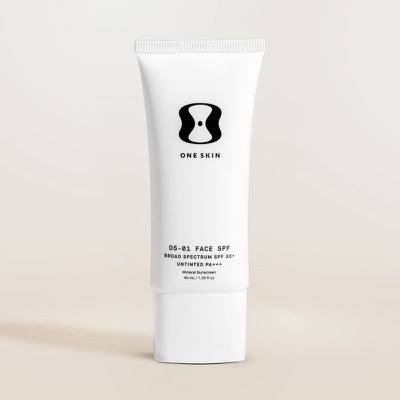
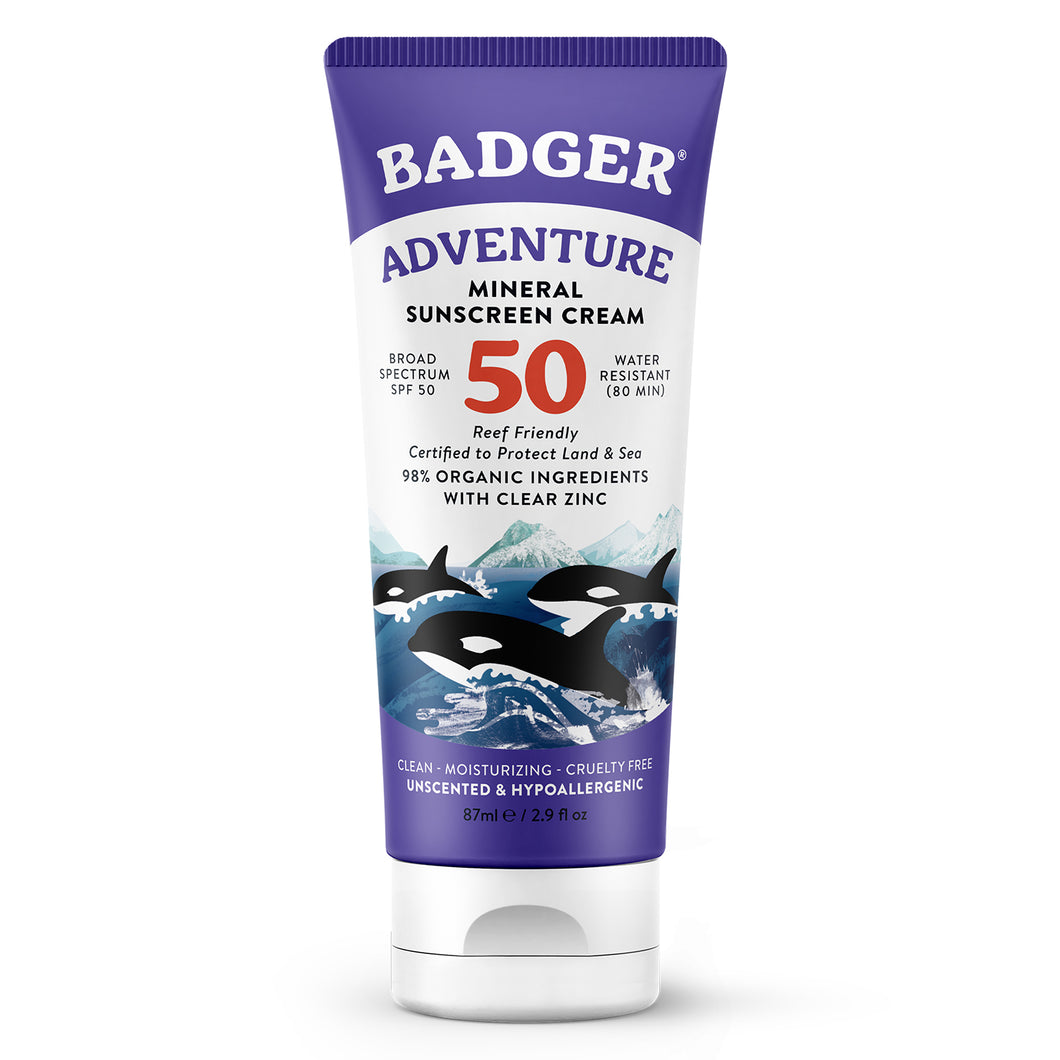
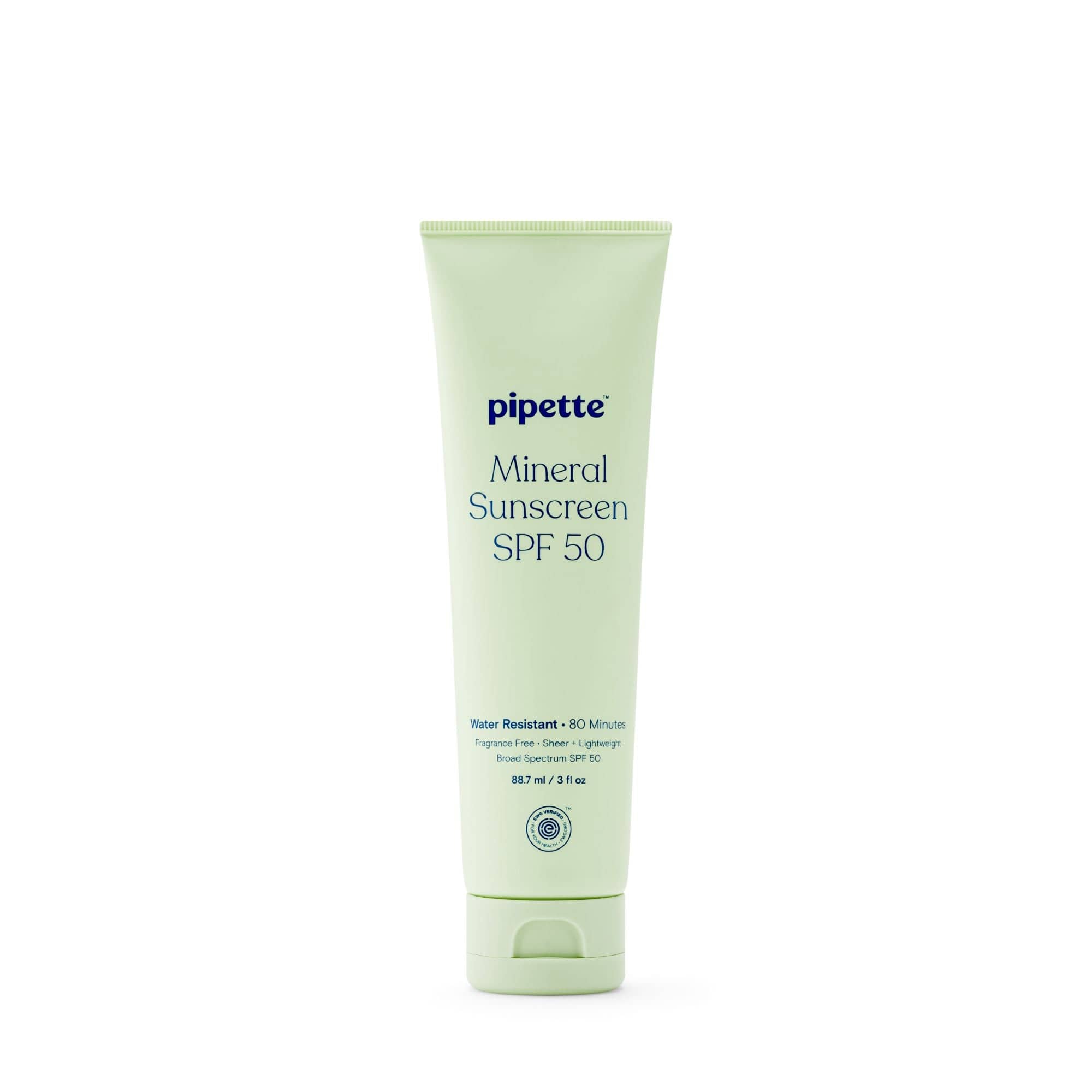
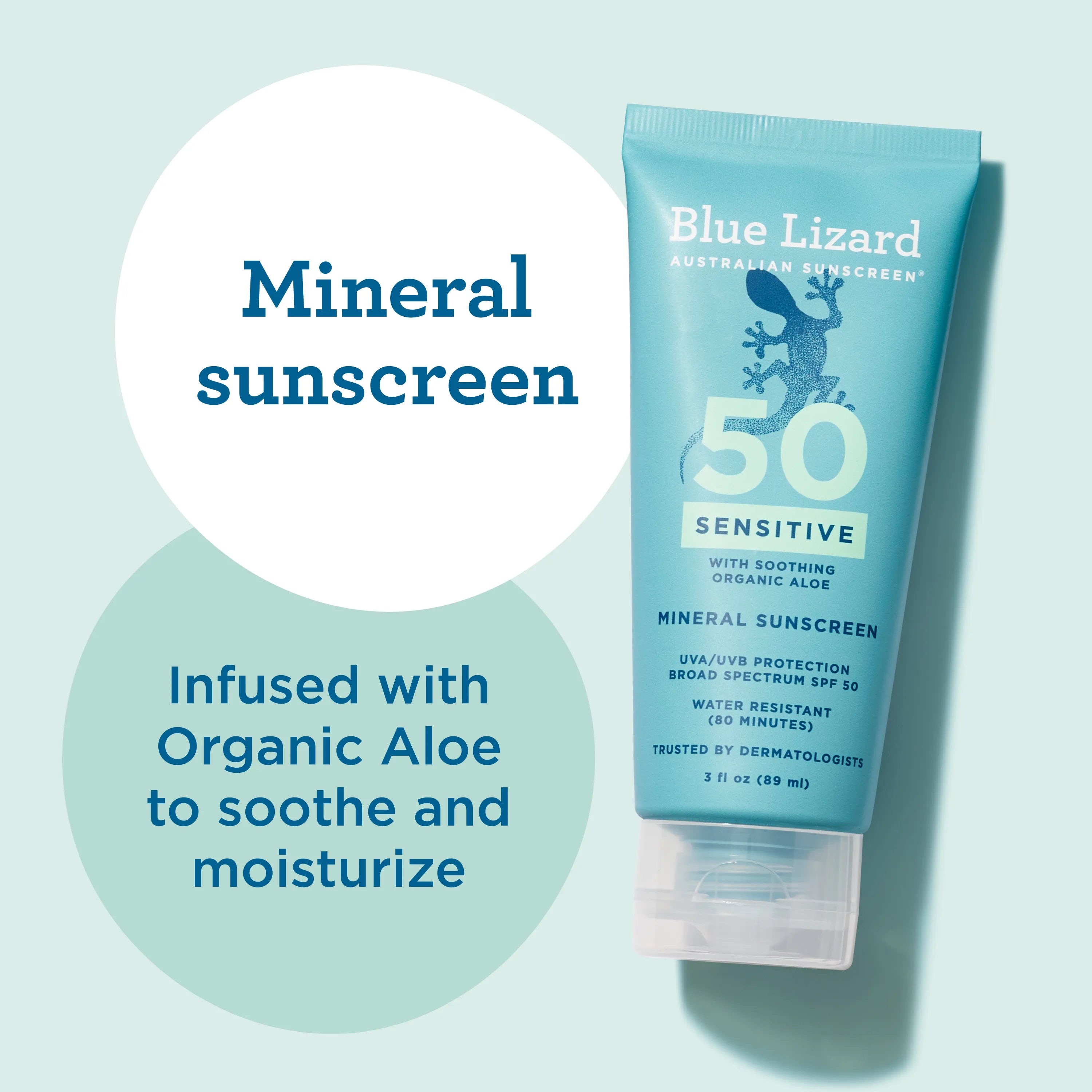
Mineral (Physical) Filters
Chemical (Organic) Filters
Bemotrizinol (Tinosorb S)
EU, Australia, Japan, Canada
Broad-spectrum UVA/UVB. Photostable. Large molecular weight prevents skin absorption. No endocrine disruption detected. One of the safest chemical filters available. Not FDA-approved.
Top Rated Products
Bisoctrizole (Tinosorb M)
EU, Australia, Japan
Broad-spectrum. Photostable. Insoluble particulate filter that sits on the skin surface. Negligible absorption. Excellent safety profile. Not FDA-approved.
Top Rated Products
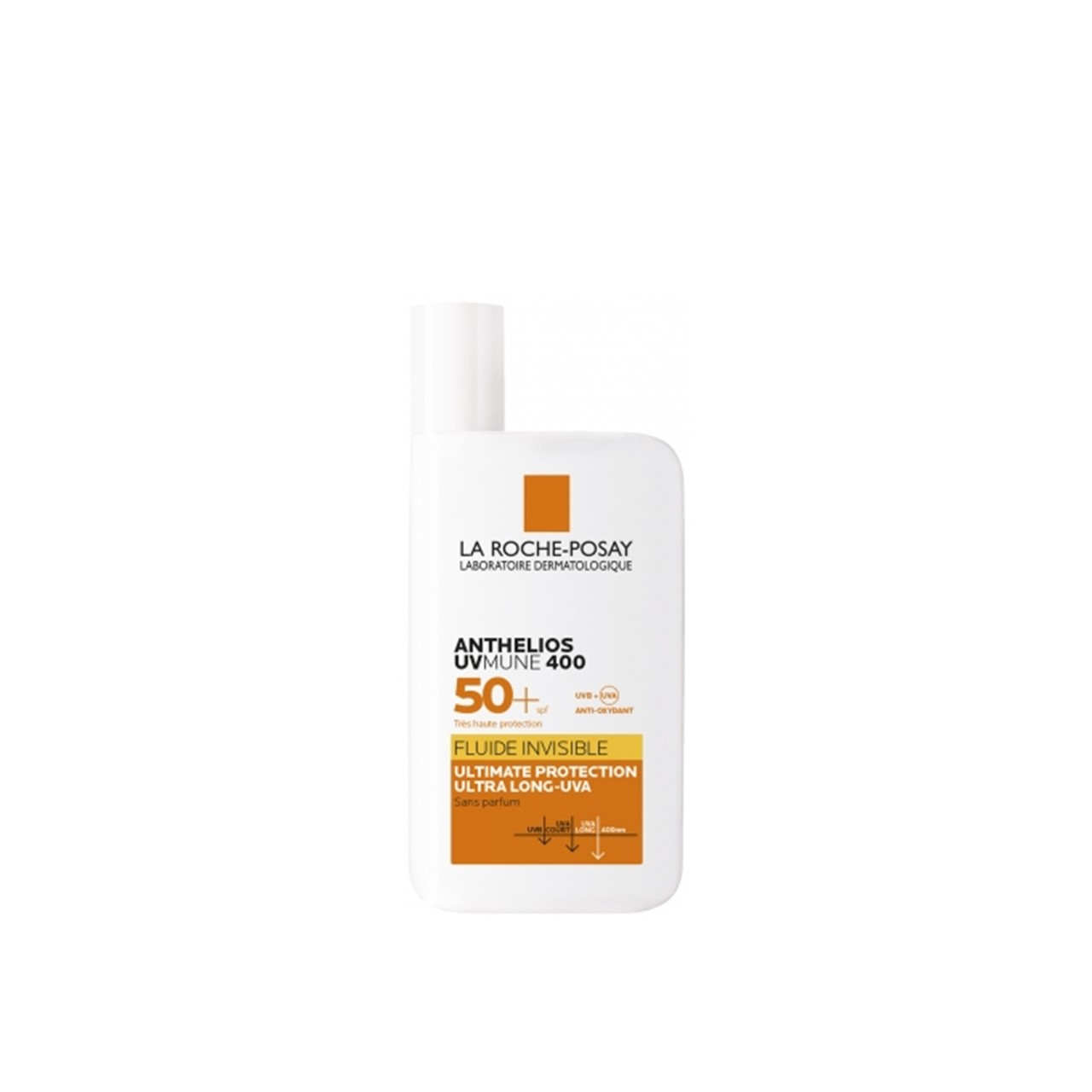
Drometrizole Trisiloxane (Mexoryl XL)
EU, Canada, Australia
Broad-spectrum with strong UVA protection. Photostable. Low systemic absorption. Patented by L'Oreal. Often paired with Mexoryl SX for full-spectrum coverage. Not FDA-approved.
Top Rated Products
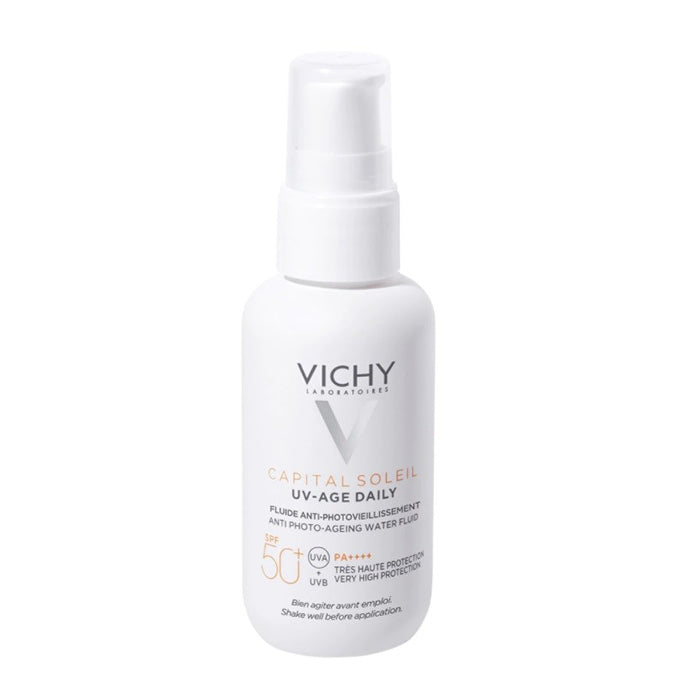
Ecamsule (Mexoryl SX)
FDA (limited), EU, Canada
Water-soluble UVA filter. Photostable. Very low skin penetration due to large molecular size. FDA approved only in specific formulations. Strong safety record in EU since 1993.
Top Rated Products
Iscotrizinol (Uvasorb HEB)
EU, Australia
Broad-spectrum UVA/UVB filter. Photostable. Oil-soluble. Limited absorption data but large molecular weight suggests low penetration. Relatively new with a good emerging safety profile.
Top Rated Products
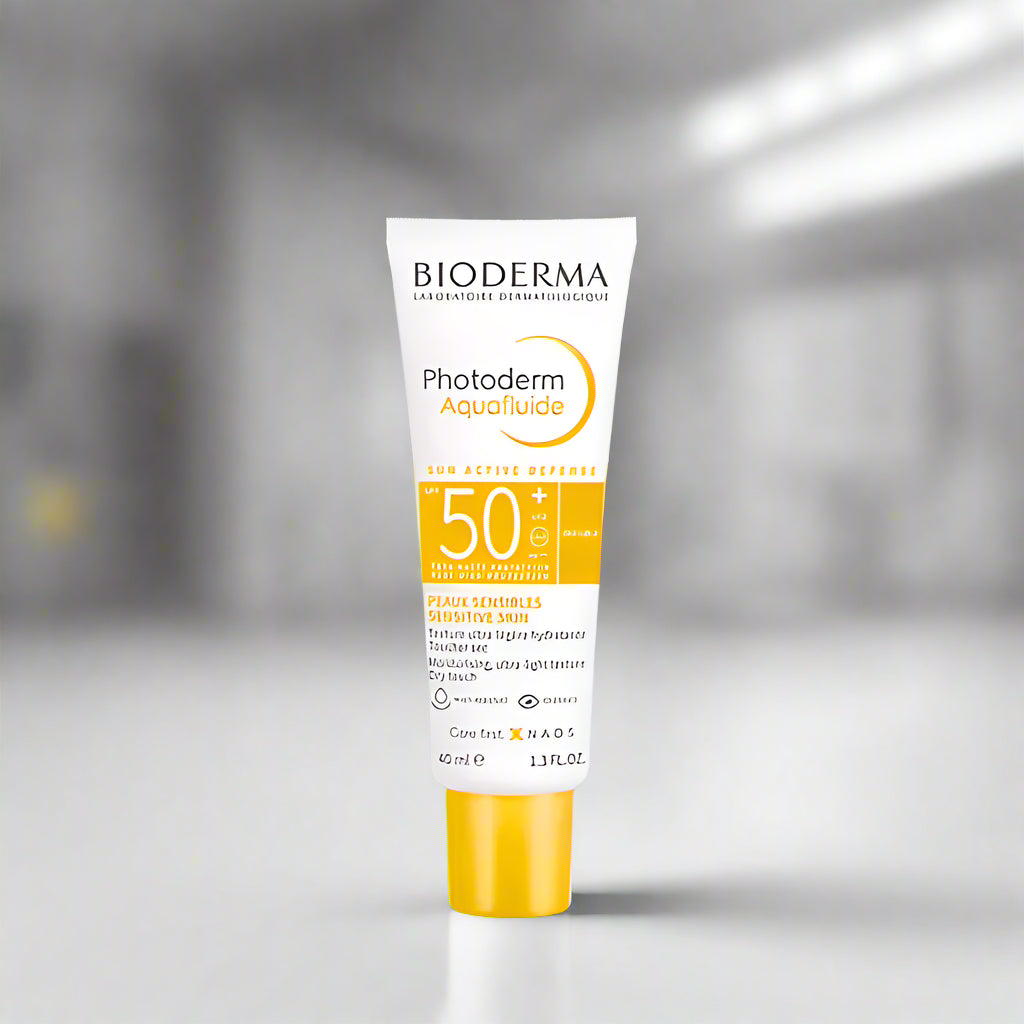
Ethylhexyl Triazone (Uvinul T 150)
EU, Australia, Japan
Potent UVB filter. Photostable. Very large molecular weight (823 g/mol) prevents skin penetration. No endocrine concerns detected. Excellent safety profile. Not FDA-approved.
Top Rated Products
Diethylamino Hydroxybenzoyl Hexyl Benzoate (DHHB / Uvinul A Plus)
EU, Australia
UVA-I filter. Photostable, unlike avobenzone. Low systemic absorption. No endocrine activity detected. Strong alternative to avobenzone for UVA protection. Not FDA-approved.
Top Rated Products
Avobenzone (Parsol 1789)
FDA, EU, Japan, Australia
Best UVA-I coverage among FDA-approved chemical filters. However, photounstable on its own and degrades within 30-60 minutes. Must be stabilized with octocrylene or Tinosorb. Detected in bloodstream at low levels in FDA studies.
Octisalate (Octyl Salicylate)
FDA, EU, Japan, Australia
Weak UVB filter, mainly used as a solvent and stabilizer for avobenzone. Low absorption potential. No significant endocrine concerns in current literature. Generally considered low-risk.
Octocrylene
FDA, EU, Japan, Australia
UVB filter and avobenzone stabilizer. Degrades into benzophenone (a suspected carcinogen) over time in stored products. EU SCCS flagged concerns in 2021. Detected in bloodstream in FDA absorption studies. Hawaii considered banning it.
Top Rated Products
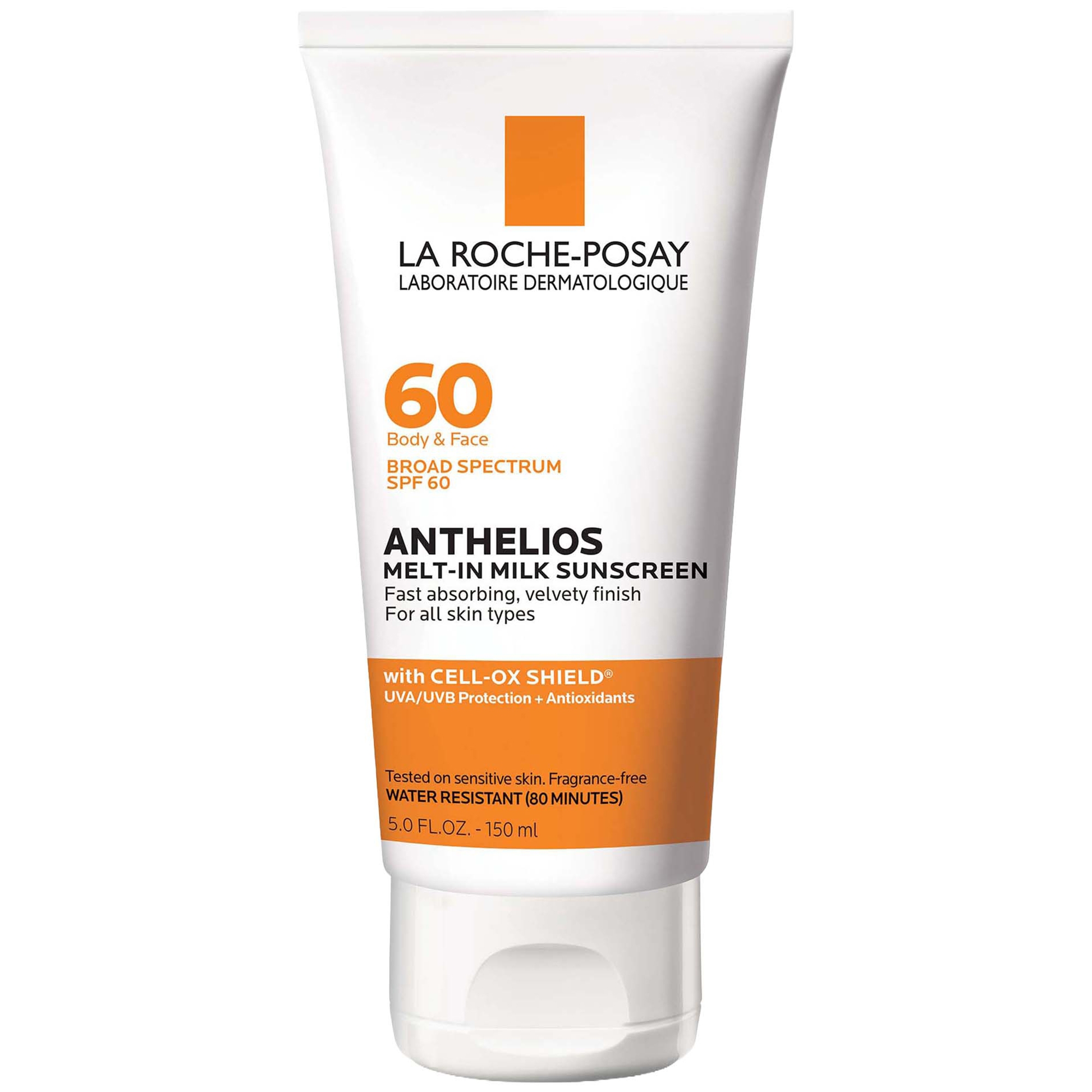
Meradimate (Menthyl Anthranilate)
FDA
Weak UVA-II filter. Rarely used alone. Generates free radicals under UV exposure. Limited modern safety data. Not widely studied compared to newer filters. Low risk but low efficacy.
Octinoxate (Octyl Methoxycinnamate)
FDA, EU (restricted), Japan
Most widely used UVB filter globally. Estrogenic activity demonstrated in multiple studies. Photounstable. Detected in breast milk. Banned in Hawaii and Palau for coral reef toxicity. EU restricts to 10%.
Top Rated Products
Homosalate
FDA, EU (restricted)
UVB filter. EU SCCS recommended lowering max concentration from 10% to 7.34% (2021) due to potential endocrine effects. Absorbed systemically in FDA studies. Disrupts estrogen, androgen, and progesterone signaling in vitro.
Top Rated Products
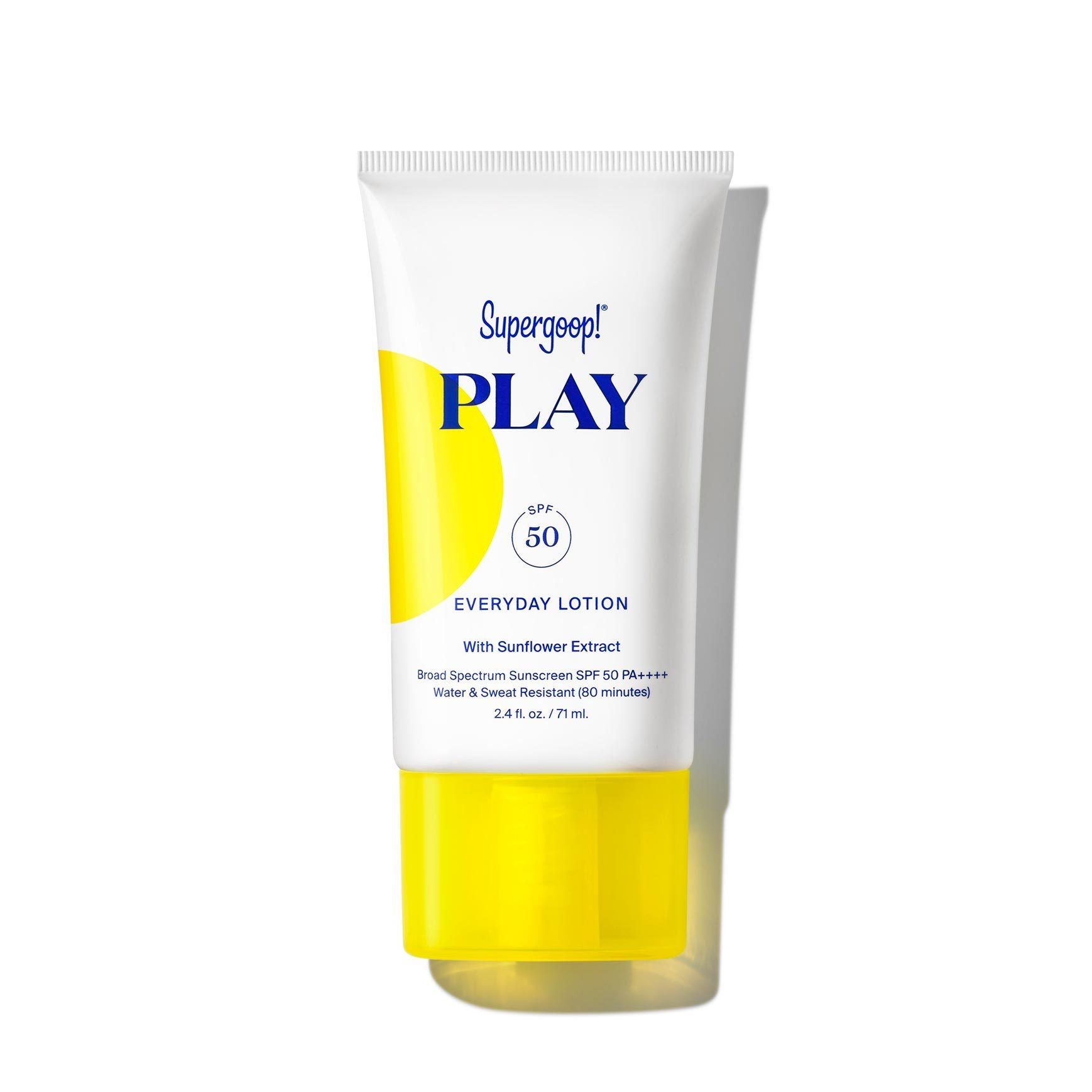
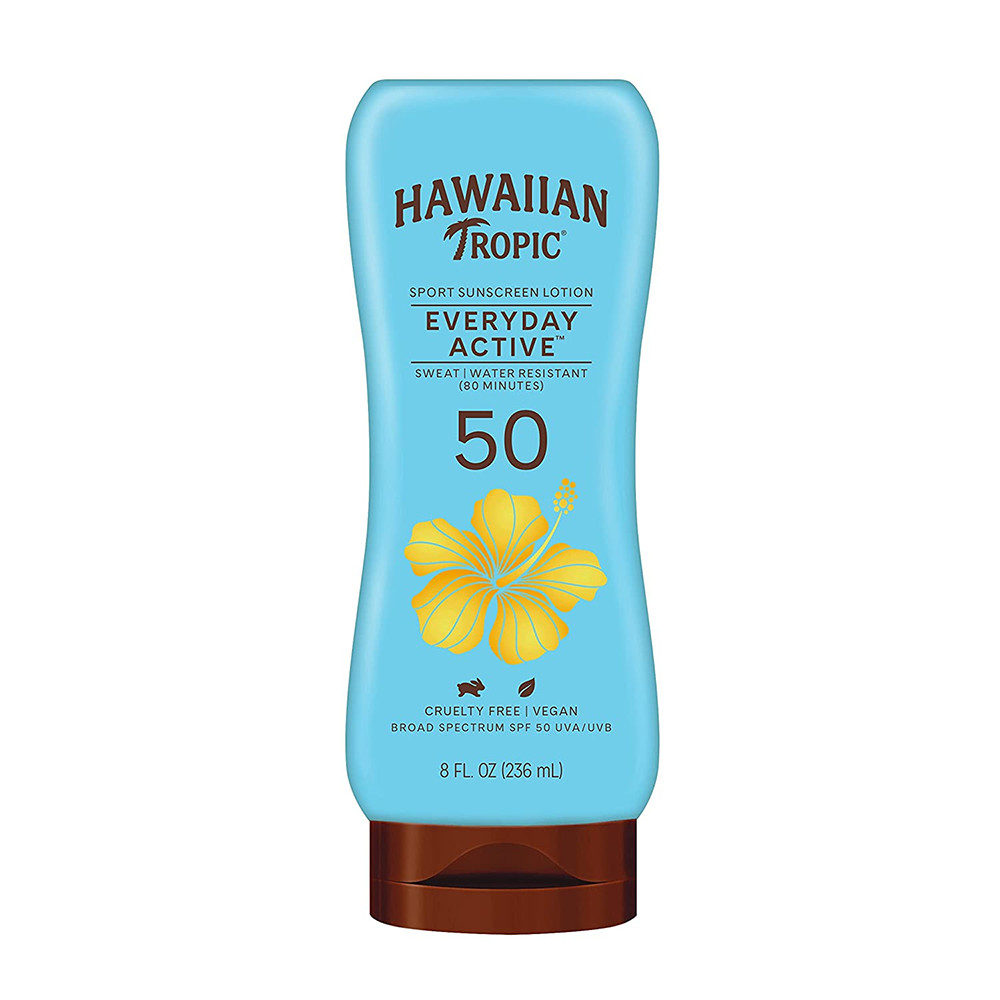
Ensulizole (Phenylbenzimidazole Sulfonic Acid)
FDA, EU, Japan
Water-soluble UVB filter with a light texture. Generates free radicals under UV exposure, potentially causing DNA damage. Limited UVA protection. Some phototoxicity concerns.
Top Rated Products
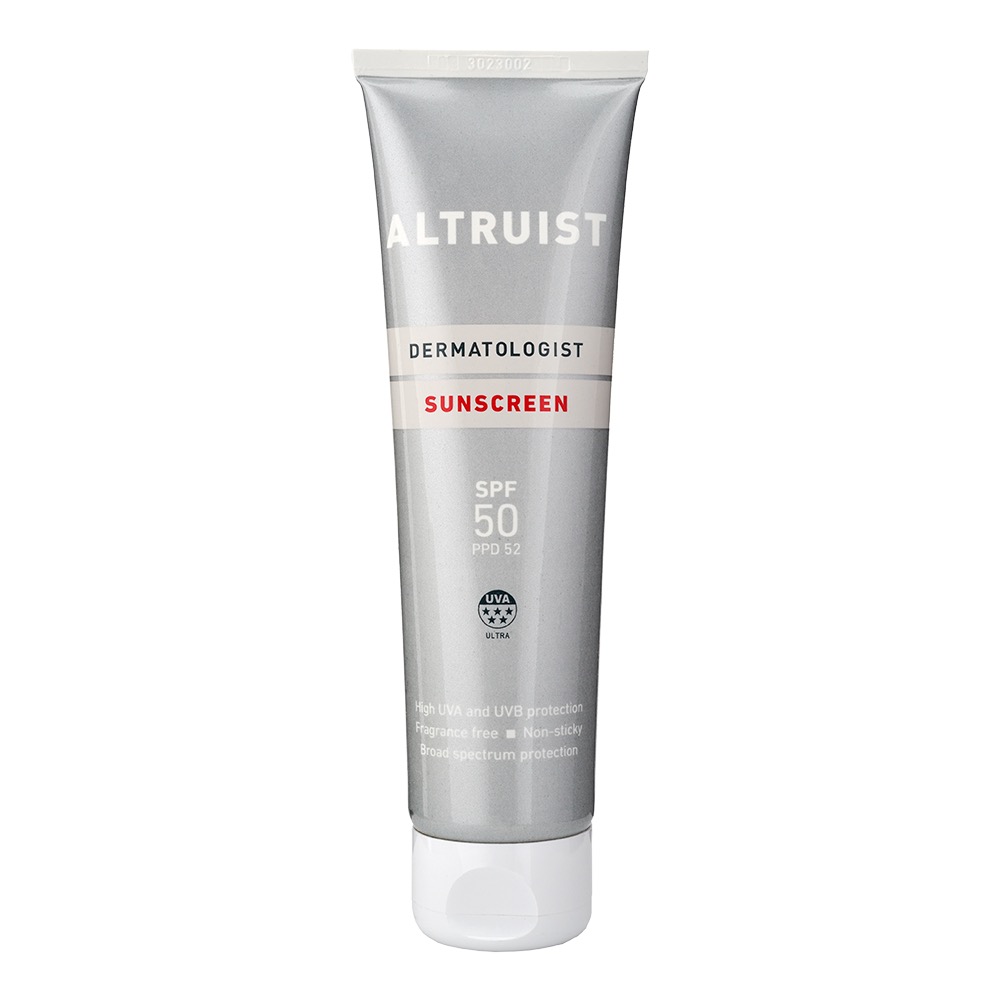
Trolamine Salicylate
FDA
Weak UVB filter. FDA proposed it has insufficient data to be classified as GRASE (generally recognized as safe and effective). Rarely used in modern sunscreens. Low efficacy.
Enzacamene (4-MBC)
EU (restricted), Japan
UVB filter. Detected endocrine activity in multiple in-vivo studies (anti-androgenic, thyroid disruption). EU restricts concentration to 4%. Banned in some formulations. Better alternatives exist.
Top Rated Products
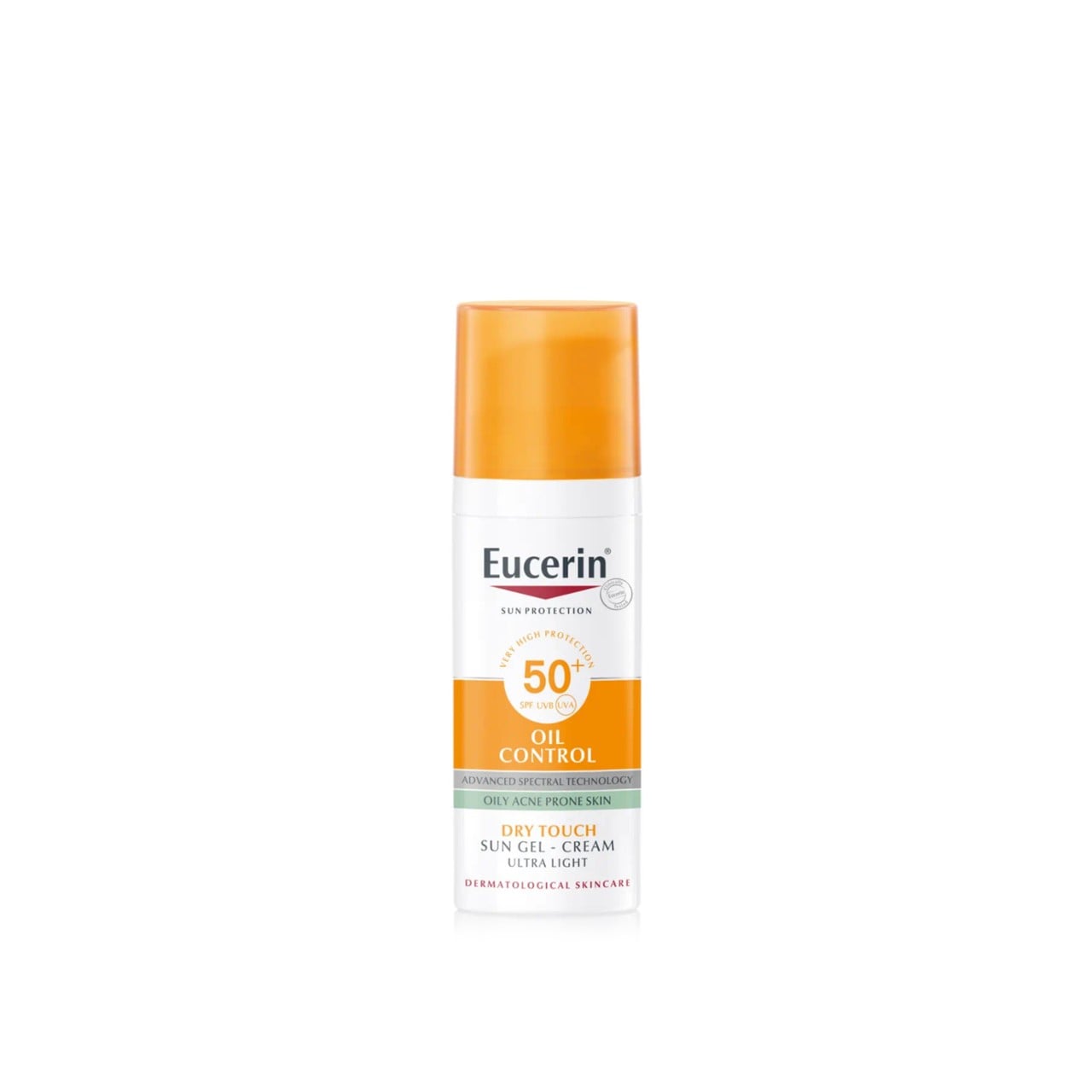
Sulisobenzone (Benzophenone-4)
FDA, EU
Water-soluble benzophenone derivative. Less absorbed than oxybenzone but shares the same chemical family and endocrine disruption concerns. Photoallergy reports in dermatology literature. Better alternatives exist.
Top Rated Products
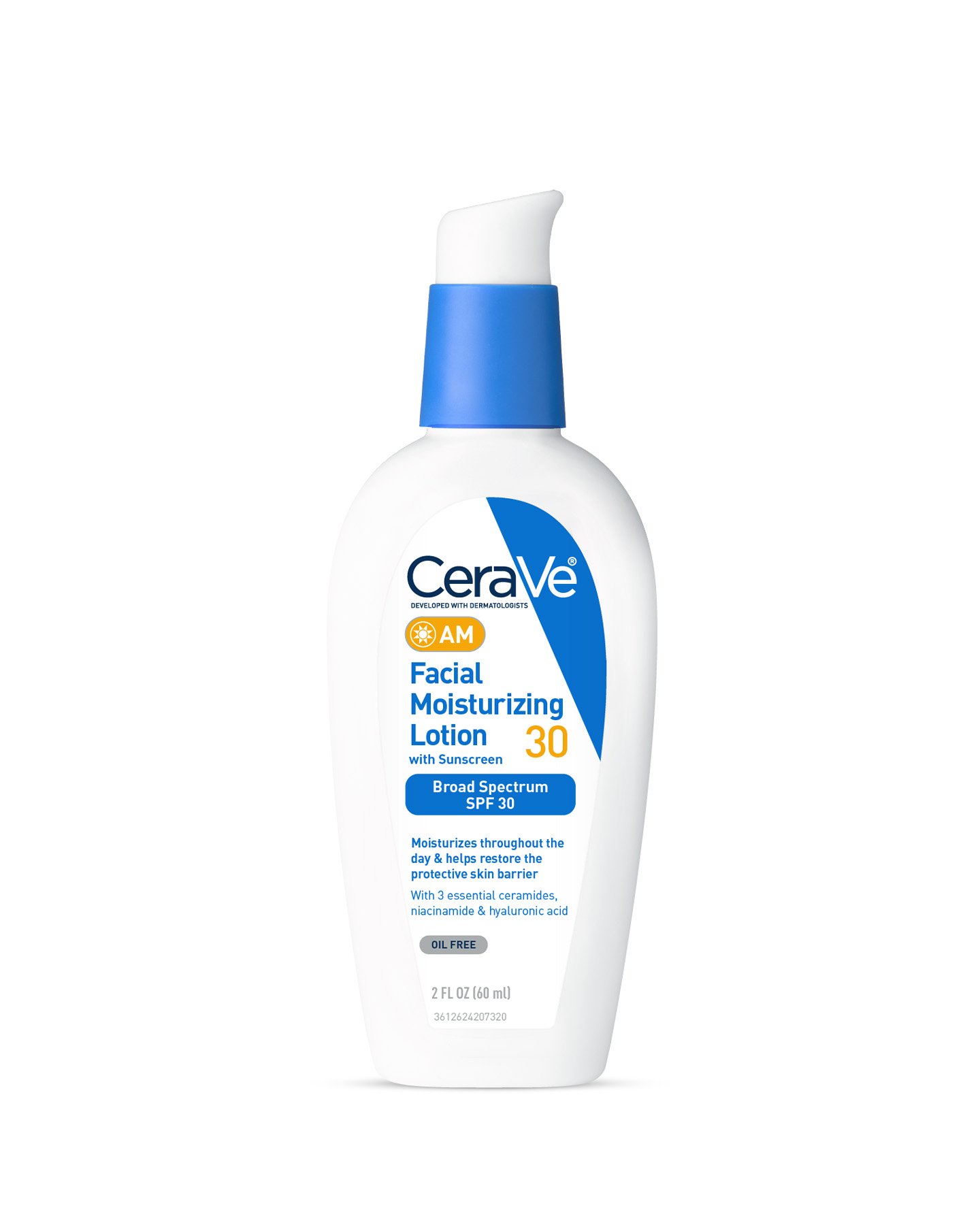
Padimate O (Octyl Dimethyl PABA)
FDA (declining use)
PABA derivative. Generates free radicals under UV. Linked to DNA damage in early studies. Causes photoallergic reactions. Largely phased out of modern formulations. Avoid.
Safety scores reflect systemic absorption, endocrine disruption potential, photostability, and regulatory actions as of April 2026. Filters not approved in a given region may still be available in imported products. Product scores sourced from EWG Skin Deep (1-10, lower is better) and Yuka (0-100, higher is better).
A note on links: to help keep this website running, the links are connected to referral codes. You can choose to buy via the link or via your own methods. None of the rankings or reviews are impacted by the referrals. If something is a trash product, you will always know the scientifically verifiable truth.